A routine blood test
What the PSA showed
In September 2017, a routine blood test came back with one marker flagged outside the reference range: prostate-specific antigen, or PSA. Seager was in his early 50s. The usual next steps pointed toward a biopsy and, possibly, a prostatectomy. The stories other men told him, he later wrote, “sounded like a nightmare.”
He decided to try something else first.
Uncommon Testosterone is the story of what happened next — to his PSA, to his testosterone, and to the way he thinks about metabolic health.
Read what happened
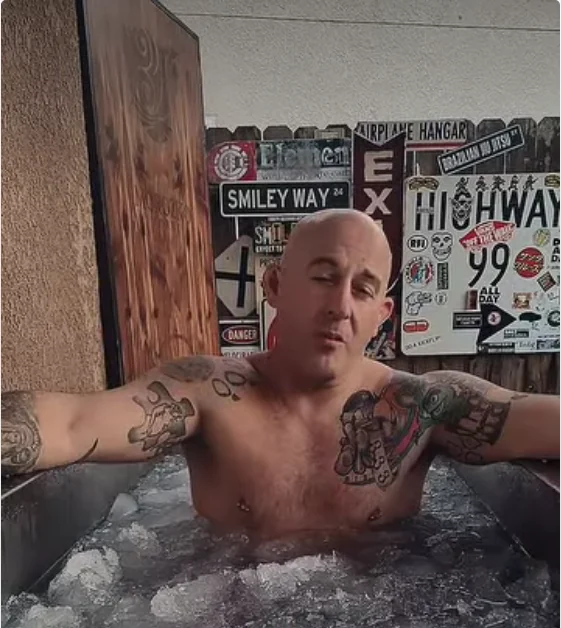
Read about ice baths & prostate health and PSA. The lab values and the ending are in the book.
Why Seager cares
A childhood diagnosis of Type 1 diabetes
In December 2001, his six-year-old son was diagnosed with Type 1 diabetes. Seager writes that he knew nothing then about metabolism, blood glucose, insulin, or ketones. “My ignorance almost killed my son.”
He had thought it was the flu, and was giving him orange juice. When his son was admitted to the hospital, his blood sugar was over 700 mg/dL. His body was producing so many ketones that he was in ketoacidosis. A doctor told Seager he was hours away from a deadly coma.
Overnight, as they dripped insulin into his bloodstream, Seager watched him return. In the morning his son said, “I’m hungry.”
Seager kept scrupulous records of blood glucose, insulin, food, and exercise. He writes that the advice he was getting from clinicians often contradicted those records — including the warning that ketosis itself was always dangerous. Learning what actually happened in his son’s metabolism, he later wrote, is what first taught him to take insulin and ketones seriously.
From Ice Bath for Fast Ketosis and Cold Plunge Research.